Introduction
Many people want to restore their hair with hair transplantation. Hair loss can affect confidence and self-image. Thankfully, hair restoration surgery offers hope for natural hair regrowth. In this guide, you will learn what hair transplantation is, who it helps, and how the process works. You will also find tips for recovery and hair care. If you are thinking about a hair transplant, this guide is for you.
What is Hair Transplantation?
Hair transplantation is a medical procedure. Doctors move hair from one part of your scalp to another. Usually, they take hair from the back or sides of your head. Then, they place it where hair is thin or missing. As a result, you can enjoy fuller, natural-looking hair. This surgery is safe when done by trained specialists. According to the American Academy of Dermatology, hair transplants are one of the most effective ways to treat hair loss.
Common Causes of Hair Loss
There are many reasons why people lose hair. Understanding the cause helps you choose the right treatment. Some common causes include:
However, not all hair loss is permanent. Sometimes, hair grows back on its own. But if hair loss continues, hair restoration surgery may help.
Who is a Good Candidate for Hair Transplantation?
Not everyone is a good fit for hair transplantation. Still, many people benefit from this surgery. You may be a good candidate if:
On the other hand, people with certain medical conditions or not enough donor hair may not qualify. Always talk to a certified hair restoration specialist before deciding.
Types of Hair Transplant Procedures
There are two main types of hair transplant procedures. Each has its own benefits. Let’s look at both:
Both methods can give natural results. Your doctor will help you choose the best option for you. Many hair transplant clinics in major cities offer both FUE and FUT.
The Hair Transplantation Process: Step-by-Step
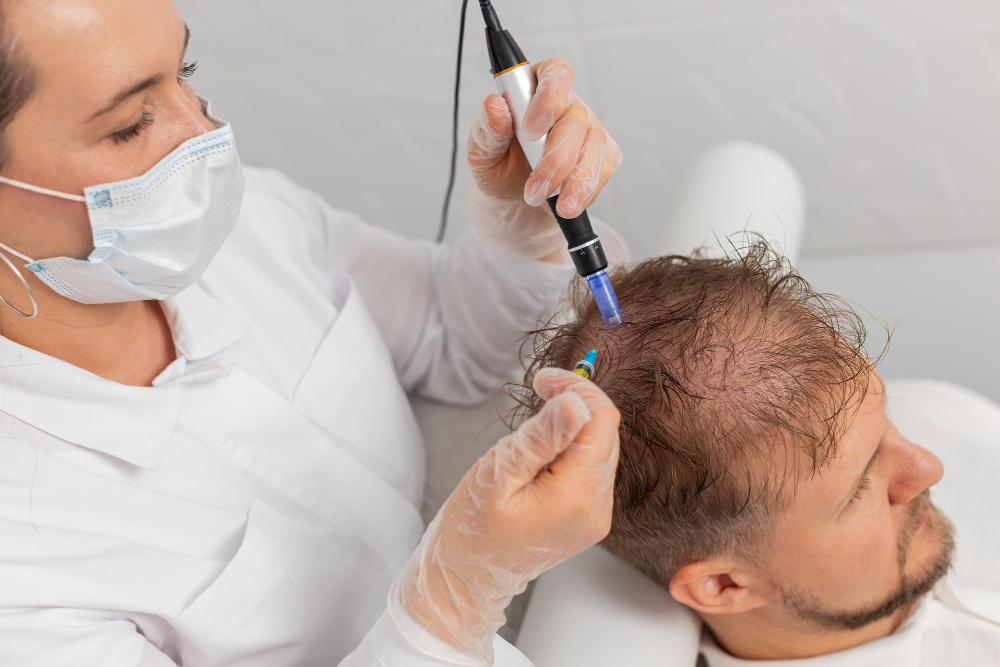
Knowing what to expect can ease your mind. Here is a step-by-step look at the hair transplant process:
The whole process can take several hours. However, most people go home the same day.
Expected Results and Recovery
After surgery, you may see some swelling or redness. This is normal and goes away in a few days. Most people return to work within a week. New hair usually starts to grow after three to four months. Full results appear in 9 to 12 months. Because the transplanted hair is your own, it grows naturally. For best results, follow your doctor’s hair transplant recovery tips.
Risks and Potential Side Effects
Hair transplantation is safe when done by experts. Still, all surgeries have some risks. Possible side effects include:
However, most side effects are mild and go away with time. Always follow your doctor’s advice to lower risks.
Tips for Post-Transplant Hair Care
Proper care helps your new hair grow well. Here are some tips:
With good care, you can enjoy healthy, natural hair regrowth.
Prevention and Maintenance of Hair Health
Even after a hair transplant, it is important to care for your hair. Here are some ways to keep your hair healthy:
By following these steps, you can help prevent future hair loss and keep your hair looking its best.
Conclusion
Hair transplantation can restore your hair and boost your confidence. With modern techniques like FUE and FUT, results look natural and last long. However, it is important to choose a skilled specialist and follow recovery tips. For the best advice, consult a certified dermatologist or hair restoration specialist VR Dental Sainikpuri clinic. They can help you decide if hair transplantation is right for you.