What is Acne?
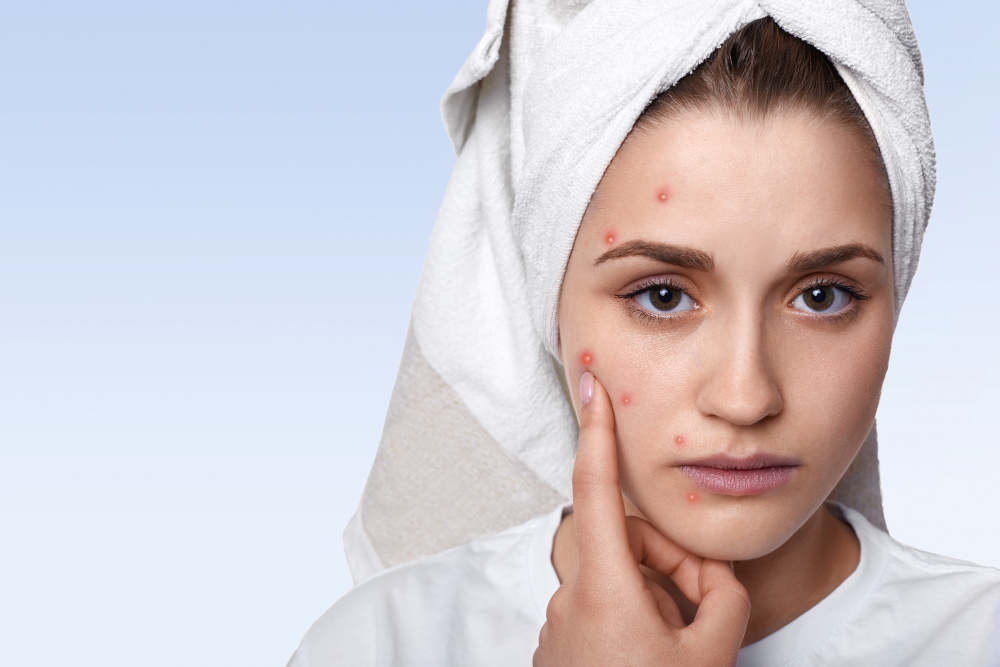
Acne is a common skin condition that affects people of all ages. It often appears as pimples, blackheads, or whiteheads on the face, chest, or back. Because acne can be frustrating, many people look for ways to treat and prevent it. According to the World Health Organization, acne is one of the most widespread skin problems worldwide. While it is not dangerous, acne can affect self-confidence and comfort. Understanding acne is the first step toward clearer skin.
Common Symptoms of Acne
Acne shows up in different ways. For example, you might notice small bumps or red spots on your skin. Sometimes, these spots can be painful or filled with pus. In many cases, acne leaves dark marks or scars after healing. Here are some common signs of acne:
Although symptoms can vary, most people experience at least one of these signs during their lives.
Causes and Risk Factors
Acne develops when hair follicles become clogged with oil and dead skin cells. However, several factors can increase your risk. For instance, hormonal changes during puberty, pregnancy, or menstruation often trigger acne. In addition, stress and certain medications can make acne worse. Genetics also play a role, so if your parents had acne, you might be more likely to get it too. Other risk factors include:
Because many things can cause acne, it is important to find out what triggers it for you.
How Acne is Diagnosed
Doctors usually diagnose acne by looking at your skin. They check the type and number of spots you have. Sometimes, they ask about your medical history or family history. In rare cases, a doctor may suggest tests to rule out other skin problems. Most of the time, no special tests are needed. Early diagnosis helps you start the right acne treatment sooner.
Effective Treatment Options for Acne
There are many ways to treat acne. Some people need only simple skin care, while others may need medicine. For mild acne, over-the-counter creams with ingredients like benzoyl peroxide or salicylic acid can help. If your acne is more severe, a doctor may suggest prescription creams or pills. In some cases, antibiotics or hormone treatments are used. Here are some common acne treatment options:
Because each person’s skin is different, it is best to talk to a dermatologist before starting any treatment.
Lifestyle Tips and Home Care
Simple changes in your daily routine can help manage acne. For example, wash your face gently twice a day with mild soap. Avoid scrubbing your skin, as this can make acne worse. Also, use non-comedogenic (non-pore-clogging) skin products. Here are more clear skin tips:
Although home care cannot cure acne, it can support other treatments and help prevent new breakouts.
Preventing Acne: Practical Advice
While it is not always possible to prevent acne, some habits can lower your risk. For instance, avoid touching your face with unwashed hands. In addition, remove makeup before sleeping. Choose gentle skin care products and avoid harsh scrubs. Here are more acne prevention tips:
Because prevention is easier than treatment, these steps can help you keep your skin clear.
In summary, acne is a common but manageable skin condition. With the right care and treatment, most people can achieve clearer skin. Consult a dermatologist at the VR Dental Sainikpuri clinic for personalized acne treatment and advice.