What Is Surgical Rhinoplasty?
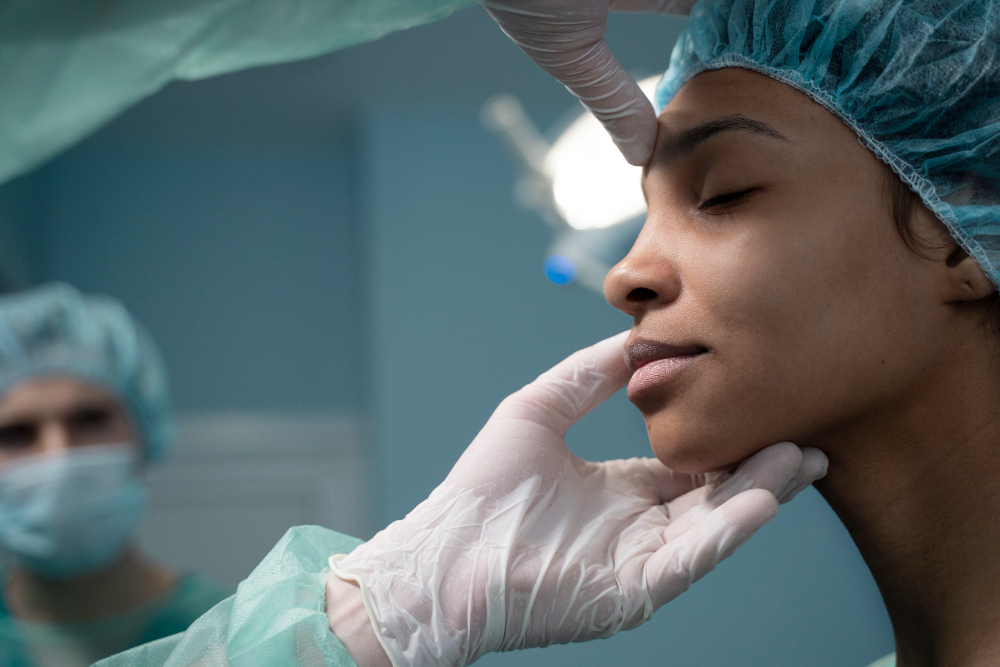
Surgical rhinoplasty is a type of nose surgery. It changes the shape or size of the nose. Doctors may do this surgery to improve breathing or for cosmetic reasons. Often, people call it a “nose job.” During the procedure, a surgeon reshapes the bone and cartilage inside the nose. As a result, the nose can look different or work better. According to the American Society of Plastic Surgeons, rhinoplasty is one of the most common facial surgeries.
Common Reasons for Surgical Rhinoplasty
People choose surgical rhinoplasty for many reasons. Sometimes, it is for health. Other times, it is for appearance. For example, you might consider rhinoplasty if you:
Additionally, some people need surgery after an accident. Others want to feel more confident about their looks.
Who Is a Good Candidate?
Not everyone is a good candidate for surgical rhinoplasty. However, many healthy adults and teens can have this surgery. You may be a good candidate if you:
Before surgery, your doctor will check your health and talk about your goals. This helps make sure rhinoplasty is safe for you.
How to Prepare for Surgical Rhinoplasty
Proper preparation can help your surgery and recovery go smoothly. First, your doctor will ask about your medical history. Next, you may need a physical exam and some tests. Then, you will talk about your goals and what to expect. To prepare, you should:
Additionally, make sure your home is ready for your recovery. Have soft foods, ice packs, and pillows on hand.
The Surgical Rhinoplasty Procedure: Step by Step
Many people wonder what happens during rhinoplasty. The surgery usually takes one to three hours. Here is a step-by-step overview:
Sometimes, a splint is placed on the nose to protect it as it heals. Most people can go home the same day.
Recovery After Surgical Rhinoplasty
Recovery is an important part of nose surgery. Most people go home a few hours after the procedure. However, you will need to rest for several days. Here is what you can expect during recovery:
For best results, follow your doctor’s nose surgery recovery tips. Avoid blowing your nose, and keep your head raised while sleeping.
Potential Risks and Complications
Like any surgery, rhinoplasty has risks. However, most people do not have serious problems. Possible rhinoplasty risks include:
According to the CDC, following your surgeon’s instructions can lower your risk of problems.
Tips for a Smooth Recovery
Good care after surgery helps you heal faster. For example, you can:
Additionally, attend all follow-up visits. This helps your doctor check your progress and answer questions.
Preventing Complications After Surgery
There are steps you can take to prevent complications after rhinoplasty. For instance, you should:
If you are looking for rhinoplasty contact doctor at VR Dental Sainikpuri Clinic right away.