
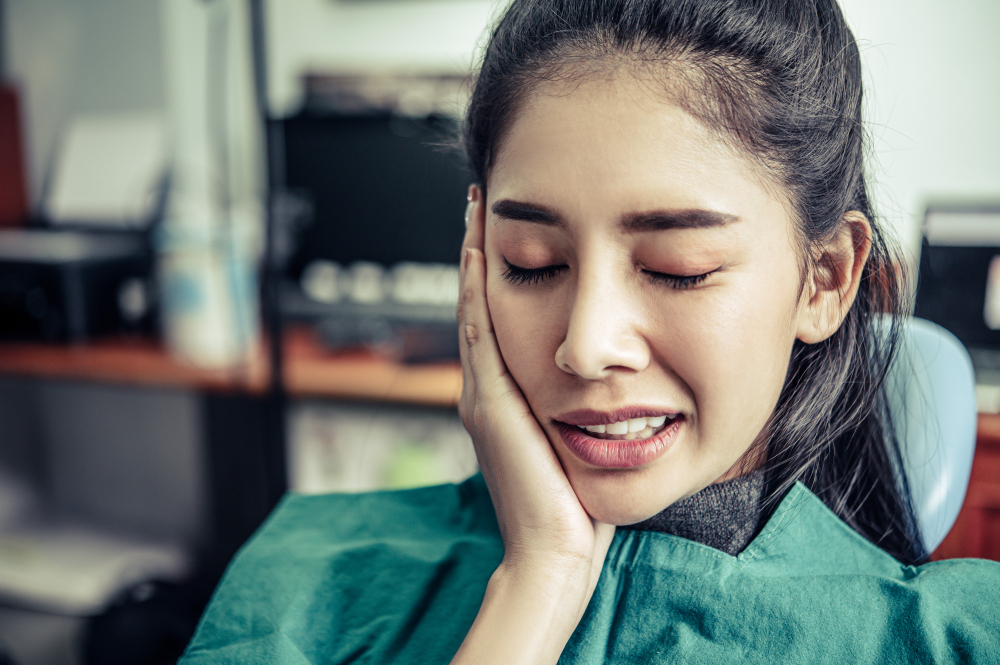
What is Bruxism?
Bruxism means grinding or clenching your teeth. Many people do this while they sleep. However, some also grind their teeth during the day. Often, people do not know they have bruxism until symptoms appear. For example, you might notice sore jaw muscles or worn-down teeth. Bruxism can lead to many dental problems if left untreated. It is important to understand how bruxism and TMJ are connected.
Understanding the TMJ (Temporomandibular Joint)
The TMJ is the joint that connects your jaw to your skull. You have one on each side of your face, just in front of your ears. This joint lets you open and close your mouth. It also helps you chew, talk, and yawn. Because the TMJ is used so often, it can become sore or damaged. Problems with this joint are called TMJ disorders.
How Teeth Grinding Affects Your Jaw Joint
When you grind your teeth, you put extra pressure on your TMJ. Over time, this can cause pain and swelling in the joint. Sometimes, the joint may even start to click or pop. In severe cases, teeth grinding can damage the cartilage or muscles around the TMJ. As a result, you may develop a TMJ disorder. For many people, teeth grinding jaw pain is a common sign of this problem.
Common Symptoms of Bruxism and TMJ Disorders
Bruxism and TMJ disorders can cause many symptoms. Some are mild, while others can be severe. Look out for these signs:
If you notice these bruxism symptoms, it is wise to talk to a dentist.
Causes and Risk Factors
Many things can cause bruxism and TMJ disorders. Some common causes and risk factors include:
Because these factors vary, it is important to find the cause of your teeth grinding. This can help you learn how to stop teeth grinding and protect your jaw joint.
Diagnosis and When to See a Dentist
If you have jaw pain or other symptoms, you should see a dentist. Early diagnosis can prevent further damage. Your dentist will ask about your symptoms and check your teeth and jaw. Sometimes, they may order X-rays to look at your TMJ. If needed, your dentist may refer you to a specialist. Remember, getting help early can make treatment easier.
Treatment Options
There are many ways to treat bruxism and TMJ disorders. Your dentist will suggest the best plan for you. Common treatments include:
In rare cases, surgery may be needed. However, most people get better with simple treatments.
Lifestyle Tips and Prevention
Making small changes can help prevent teeth grinding and TMJ pain. Try these tips:
With these steps, you can lower your risk of TMJ disorder causes and protect your jaw joint.