Introduction
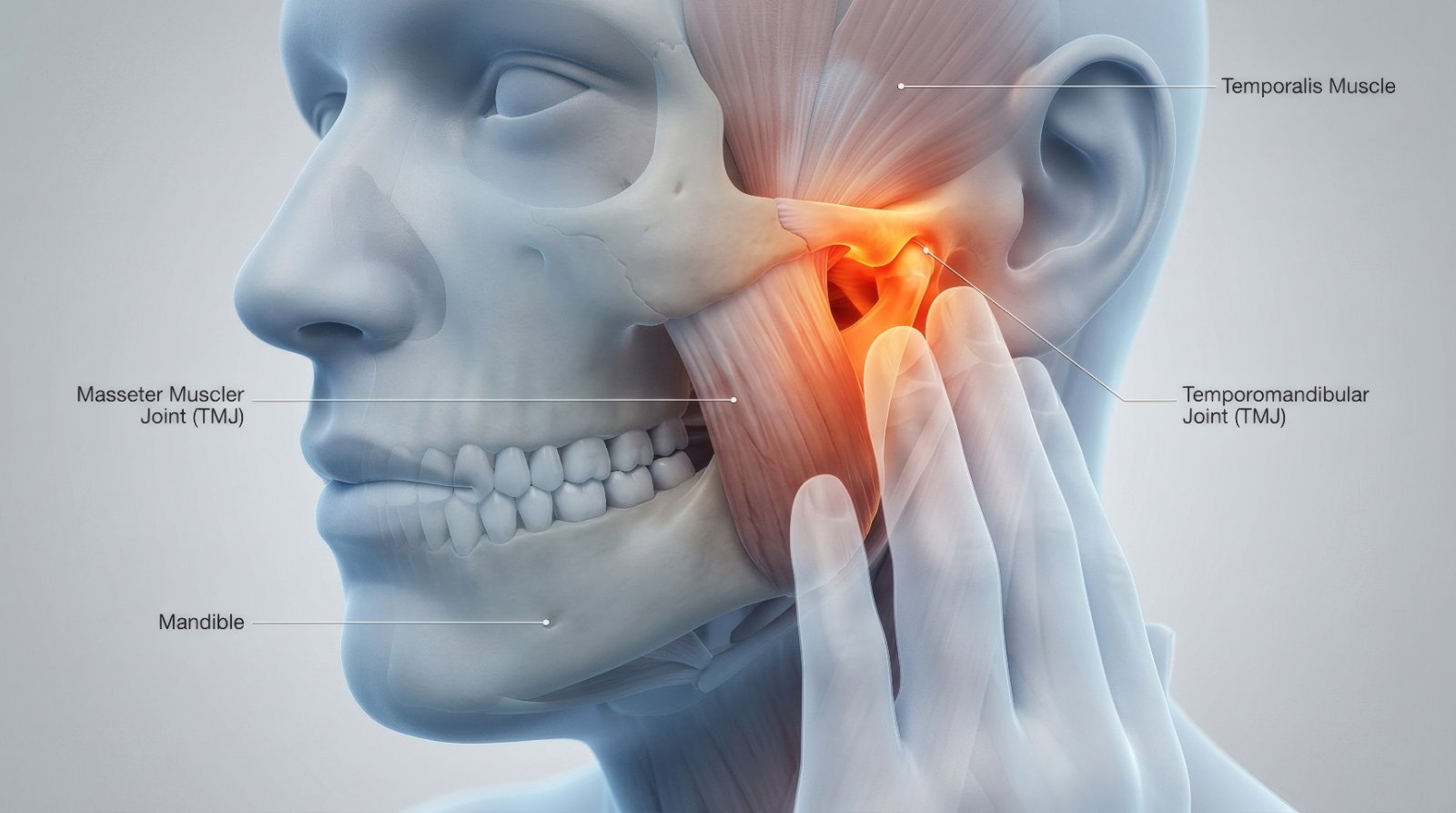
Many people experience jaw pain or hear a clicking sound when they open their mouth. These signs may point to TMJ disorders. TMJ stands for temporomandibular joint, which connects your jaw to your skull. TMJ disorders can cause pain, discomfort, and trouble moving your jaw. In this blog, you will learn about TMJ disorders, their causes, symptoms, and treatment options. Understanding these basics can help you seek the right care.
What Are TMJ Disorders?
TMJ disorders are problems with the jaw joint and the muscles around it. This joint lets you talk, chew, and yawn. When something goes wrong with the joint or muscles, you may feel pain or have trouble moving your jaw. For example, you might notice your jaw feels stiff or makes a popping sound. TMJ disorders are common and can affect people of all ages.
Causes of TMJ Disorders
There are many reasons why TMJ disorders may develop. Sometimes, the exact cause is not clear. However, several factors can increase your risk. For instance, you may develop TMJ disorders due to:
In some cases, more than one factor may be involved. Therefore, it is important to talk to a dental specialist if you have symptoms.
Common Symptoms of TMJ Disorders
TMJ disorders can cause a range of symptoms. Some people have mild discomfort, while others feel severe pain. Common signs include:
Sometimes, these symptoms come and go. But if they last or get worse, you should seek help. Early treatment can prevent further problems.
Diagnosis of TMJ Disorders
To diagnose TMJ disorders, a dentist or doctor will ask about your symptoms. Next, they will examine your jaw and listen for sounds when you move it. They may also check how wide you can open your mouth. In some cases, imaging tests like X-rays or MRI scans are needed. These tests help rule out other causes of jaw pain. According to the American Dental Association, a careful exam is key for proper TMJ diagnosis.
Treatment Options for TMJ Disorders
Many people find relief from TMJ disorders with simple treatments. Your doctor may suggest:
If these steps do not help, your doctor may recommend other options. For example, they might suggest physical therapy, prescription medicine, or dental treatments to fix bite problems. In rare cases, surgery may be needed. However, most people improve with non-surgical care. The CDC and dental journals agree that early treatment leads to better results.
Lifestyle Tips and Prevention
There are steps you can take to lower your risk of TMJ disorders. Even if you already have symptoms, these tips can help manage them:
With these habits, you can protect your jaw and reduce pain. If you need more help, look for a TMJ specialist near you.
TMJ disorders can affect your daily life, but help is available. Consult a dental specialist at VR Dental Sainikpuri clinic for personalized advice on TMJ disorders.