Introduction
Trauma from occlusion happens when your teeth do not fit together as they should. This is often called an improper bite. When your bite is off, it can cause pain and damage to your teeth and gums. However, modern treatments like aligners can help correct these problems. In this blog, you will learn about trauma from occlusion, improper bite symptoms, and how aligners can help with bite correction. We will also discuss the benefits of clear aligners for dental trauma and when to see a dentist.
What is Trauma from Occlusion?
Trauma from occlusion means injury or stress to your teeth and gums because your bite is not right. When your upper and lower teeth do not meet properly, extra force can hurt your teeth, gums, and jaw. Over time, this can lead to pain, loose teeth, or even tooth loss. Dentists call this problem occlusal trauma.
Common Symptoms and Signs
It is important to notice the signs of trauma from occlusion early. Some common symptoms include:
Sometimes, you may also notice changes in your bite or the way your teeth fit together. If you have any of these symptoms, it is wise to see a dentist soon.
Causes of Improper Bite
There are many reasons why someone may have an improper bite. For example, crooked teeth, missing teeth, or habits like thumb sucking can cause bite problems. Sometimes, dental work that does not fit well can also lead to trauma from occlusion. In some cases, genetics play a role. No matter the cause, an improper bite can lead to occlusal trauma if left untreated.
How Trauma from Occlusion Affects Oral Health
Trauma from occlusion can harm your mouth in several ways. First, it can wear down your teeth faster. Second, it may cause your gums to recede or become sore. Third, you might develop jaw pain or headaches. Over time, untreated occlusal trauma can even lead to tooth loss. Therefore, early treatment is important to protect your oral health.
Diagnosis: How Dentists Identify the Problem
Dentists use several methods to diagnose trauma from occlusion. They will check your bite and look for signs of wear or damage. Sometimes, they use special paper to see how your teeth touch. X-rays can help spot bone loss or other problems. In some cases, your dentist may ask about your symptoms or habits. Early diagnosis helps prevent further damage and guides the best occlusal trauma treatment.
Aligners: How They Correct Improper Bite
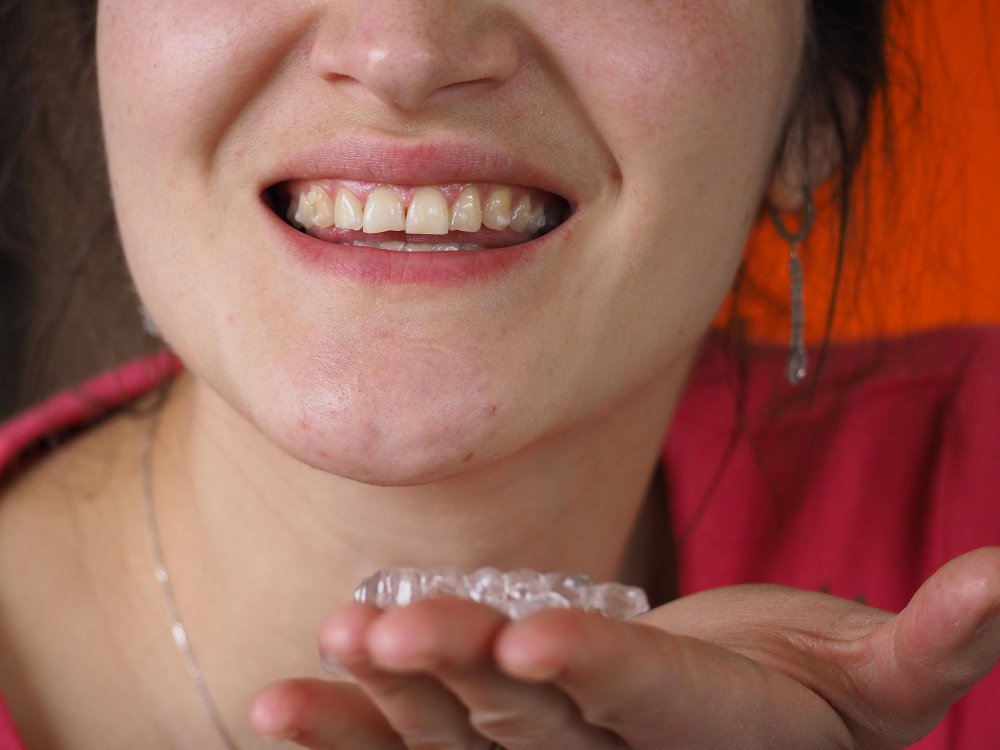
Clear aligners are a popular way to fix an improper bite. These are thin, plastic trays that fit over your teeth. You wear them most of the day, but you can remove them to eat or brush. Over time, aligners gently move your teeth into the right position. This helps your bite become even and reduces trauma from occlusion. Many people choose aligners because they are almost invisible and easy to use. In fact, bite correction with aligners is now common in many dental clinics.
Benefits of Using Aligners for Occlusal Trauma
There are many benefits to using aligners for occlusal trauma treatment:
Moreover, aligners can be a good choice for adults and teens. If you are looking for aligner treatment in your city, many dental clinics now offer this service.
Prevention and Lifestyle Tips
While aligners can fix an improper bite, you can also take steps to prevent trauma from occlusion. For example:
With these habits, you can help keep your teeth and gums healthy.
When to See a Dentist
If you notice any signs of trauma from occlusion, do not wait. Early treatment can prevent bigger problems. For instance, if you have tooth pain, loose teeth, or jaw discomfort, make an appointment soon. Your dentist can check your bite and suggest the best treatment, such as clear aligners for dental trauma. Remember, regular dental visits are key to a healthy smile.
Consult a dental specialist at VR Dental Sainikpuri Clinic to discuss if aligners are right for correcting your bite and preventing trauma from occlusion.